
What Does a Chiropractic Adjustment Do to Your Brain? Two Studies Explained
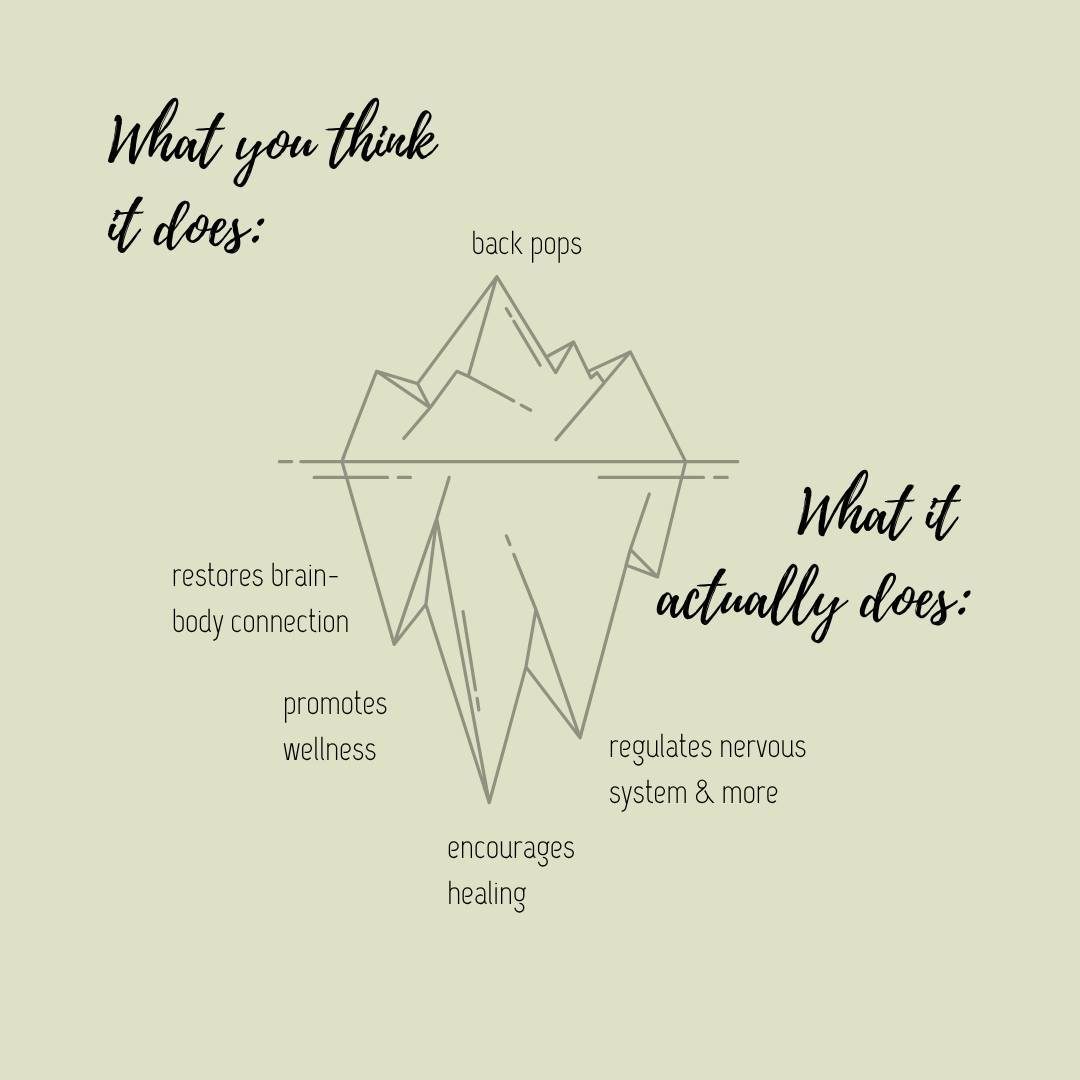
Short answer: in two peer-reviewed studies, a single chiropractic adjustment changed how the brain processes information from the body. In one, activity in the prefrontal cortex (the brain’s control centre) went down by 20.2%. In the other, the brain’s drive to the muscles of the arm and leg went up by 54.5% and 44.6%. Less effort in the control centre, more signal sent down to the body. The adjustment is not just about a joint. It changes what your spine tells your brain.
Most people think of an adjustment as something that happens to the back: a joint moves, maybe there’s a sound, done. That is the tip of the iceberg. The interesting part happens a few centimetres higher up, in the brain.
Why the spine talks to the brain at all
Your spinal joints and the small muscles around them are packed with sensors that report position and movement. Your brain uses that constant stream of information to know where your body is in space and how to control it. When a segment of your spine isn’t moving well, the information it sends up changes. The question researchers asked was simple: if you adjust that segment, does the brain notice?
Study 1: the prefrontal cortex went quiet
In 2016, a team led by Dmitry Lelic and Heidi Haavik measured brain activity with EEG in 19 people with spinal joints that were not moving well. Each person had a real adjustment on one day and a sham (a fake that looked and felt similar) on another. The order was random.
After the real adjustment, activity in the prefrontal cortex dropped by 20.2% (p = 0.03). The other brain areas they measured stayed the same. After the sham, nothing changed.
Notice the direction. The brain did not “light up”. It did less. The most reasonable reading, and it is an interpretation, not a proven fact, is that the brain no longer had to work so hard to figure out where the body was.
Study 2: more signal sent down to the muscles
In 2017, Haavik’s team measured something different: how strongly the brain drives the muscles. They stimulated the brain with magnetic pulses (a painless technique called TMS) and recorded the response in a hand muscle and a shin muscle, before and after either an adjustment or a control session, on different days.
After the adjustment, the maximum response rose by 54.5% in the hand muscle and 44.6% in the leg muscle. A separate test of the spinal cord itself (the F-wave) did not change, and nothing changed after the control session. That tells you where the extra drive came from: above the spinal cord, from the brain.
The honest part
We think these studies are important, and we also think you deserve the full picture:
- The individual variation was huge. The +54.5% came with a spread of ±93.1%. Some people responded a lot, some hardly at all.
- They are mechanism studies, not outcome trials. They show the brain responds to an adjustment. They do not, on their own, show that you will feel better or perform better.
- Only the first study used a sham. The second used a control session, which is not the same thing.
- The samples were small, and each measured a single session.
None of that makes them weak. It makes them what they are: careful evidence that an adjustment is a neurological event, not just a mechanical one.
What this means when you come to see us
This is why, at illumINNATE, we look at your spine as part of your nervous system, not as a stack of bones. Your first visit includes an INSiGHT nervous-system scan for exactly that reason: we want to see how your nervous system is working, not just where it hurts.
Frequently asked questions
Does a chiropractic adjustment affect the brain? Yes. Peer-reviewed studies have measured changes in how the brain processes information from the body after a single adjustment, including a 20.2% change in prefrontal cortex activity and up to 54.5% more drive from the brain to the muscles.
Is the effect just placebo? In the 2016 study, the real adjustment was compared against a sham, and only the real adjustment changed prefrontal activity. That is good evidence against a pure placebo effect for that measurement.
Does the crack or pop matter? No. The sound is gas released from the joint. The studies measured what happens in the nervous system, and that is what we care about.
Will I feel different after one adjustment? Some people notice a change straight away and many don’t. These studies show the brain responds, but how you feel depends on your own nervous system and history.
The sources
- Lelic D, Niazi IK, Holt K, et al. Manipulation of dysfunctional spinal joints affects sensorimotor integration in the prefrontal cortex: a brain source localization study. Neural Plasticity, 2016. PMC
- Haavik H, Niazi IK, Jochumsen M, et al. Impact of spinal manipulation on cortical drive to upper and lower limb muscles. Brain Sciences, 2017;7(1):2. PubMed
Curious what your own nervous system is doing? Book an assessment and we’ll show you.